
Women’s football is going from strength to strength – and when it comes to supporter culture, Arsenal are leading from the front.
From packed-out Emirates fixtures to away days across the country and continent, Gooners are showing up in numbers wherever they go. But it’s not just about where they go, it’s about why they go.
For this fanbase, and women’s football supporters more broadly, it’s about more than the game itself. From Women’s Super League away days to Champions League trips to Europe, they’re relishing the community, connection and culture that comes with it.
As that culture continues to grow, so too does the opportunity to create more of those moments that bring people together. Through its roots in connection and shared experiences, Guinness is playing a role in that – helping to build the social spaces that can turn women’s football matchdays into something more.
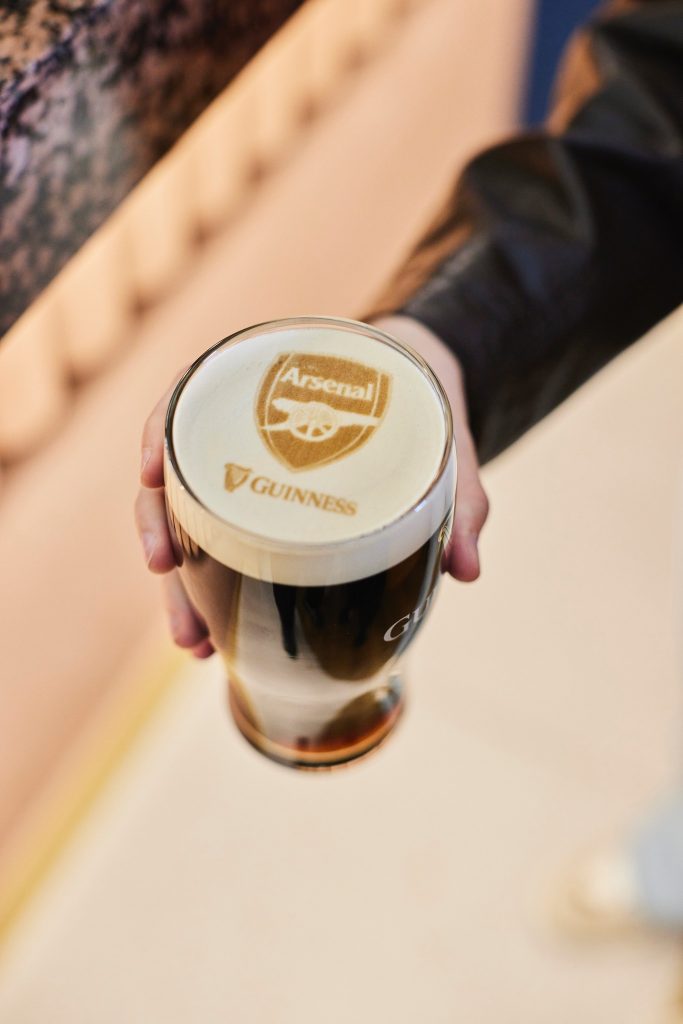
We caught up with Arsenal supporters ahead of their clash at Aston Villa – a match that secured them Champions League football for next season – to find out what keeps them coming back.
“I was hooked instantly”
For many, the journey into women’s football starts with a moment, but quickly turns into something more.
“I went to the Euros at Wembley and I was hooked,” one fan tells us. “I knew I had to have a team and be in the stadium making noise. It took me one game at Meadow Park and I’ve never looked back – I went home and bought every ticket for the rest of the season.”
Others found their way in years before women’s football found the mainstream.
“I first got into women’s football with the 1999 World Cup,” another says. “Then I moved to the UK and started following the WSL – now I travel over from the US for games.”
And sometimes, it only takes one player.
“I went to the 2017 Euros final and watched Vivianne Miedema score twice,” a supporter explains. “I found out she played for Arsenal… and here I am.”
“We’re building our own culture”
Across the fanbase, there’s a shared feeling that women’s football is different and something the whole ecosystem can play a part in shaping. Supporters and brands both play a huge role in building this culture beyond just showing up at the match, with Guinness inviting fans to co-create the culture around women’s football.
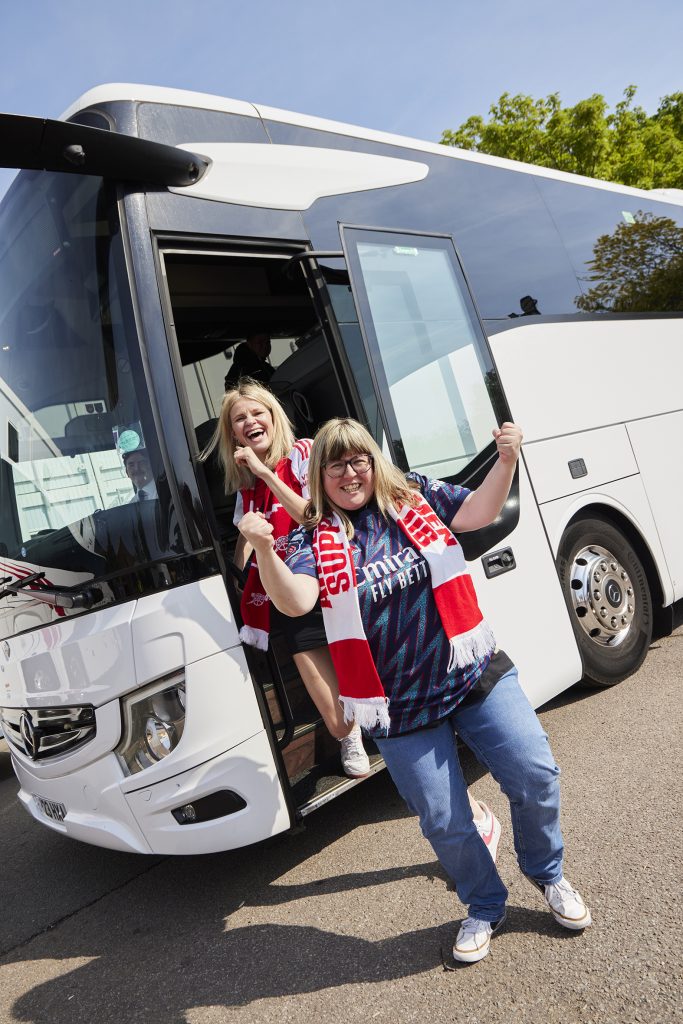
“We are building our own culture,” one supporter says. “The supporters club is amazing at bringing people together. It’s a friendly atmosphere, but we’re still making noise and making ourselves known.”
There’s a sense that women’s football doesn’t have to follow the blueprint of the men’s game, with this space a perfect opportunity for fresh ideas.
“We have the potential to build a new culture,” another adds. “Have our own individuality and not just follow what the men did. There’s the opportunity to have our own unique standpoint and I hope we do.”
And at the centre of it all is a feeling of inclusivity.
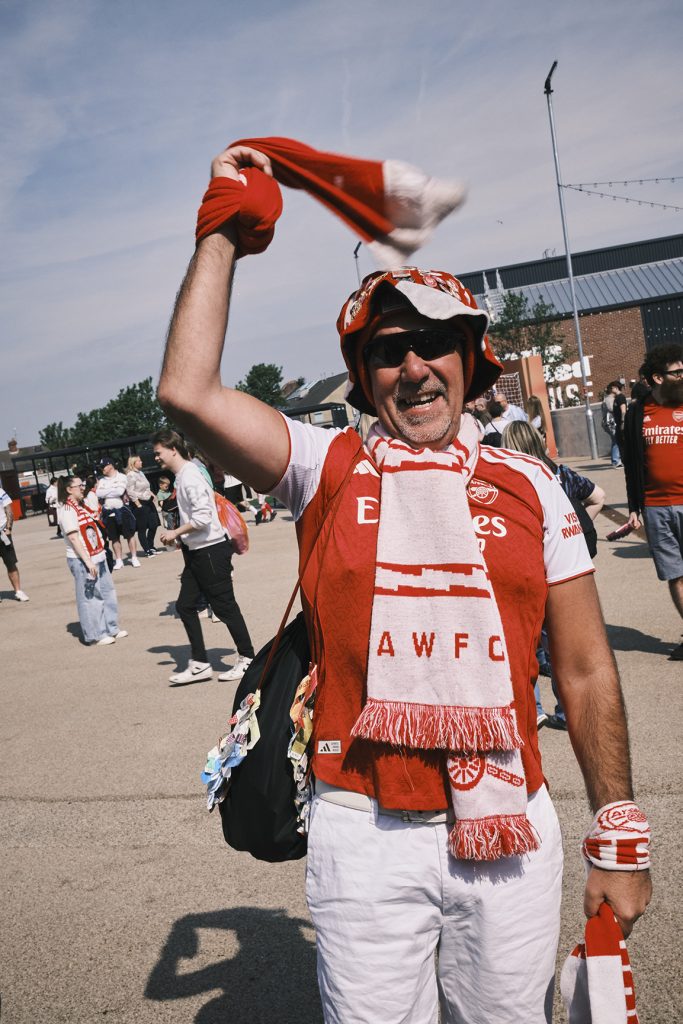
“I used to come to games on my own but now I know I’m going to see friendly faces at the pub before the match,” says one fan. “I’ll see 40 or 50 people I know when I turn up to an away game in another city or country.
“I love away games”
If there’s one thing that brings Arsenal fans together, it’s the away day experience.
“I love away games,” one supporter says. “It’s that nod in the airport when you see someone in an Arsenal hat, or the person on the train – you already know you’ve got something in common.”
“In places like Munich, Madrid or Lisbon, I know I will see people I know,” another explains. “There are always friendly faces and new friends to be made.”
And inside the stadium, everything and everyone comes together.
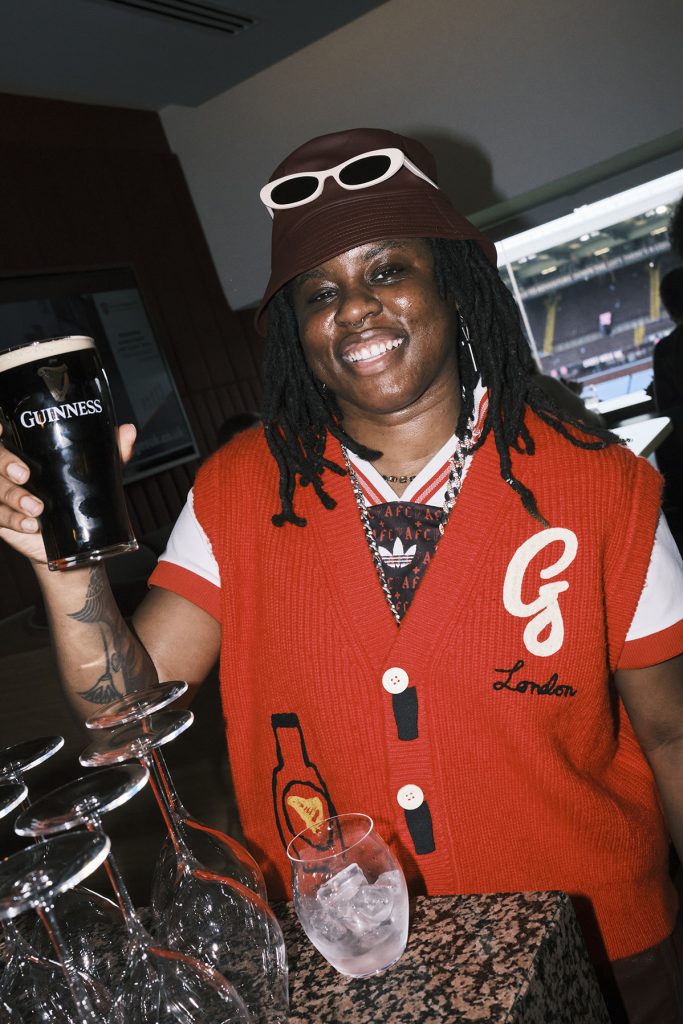
“For every away day, there’s almost equal numbers of home and away fans when Arsenal are playing,” says one fan.
“When we’re all chanting and reacting to the game, that’s when I feel most connected,” another says. “We just come together – bringing the noise and the vibes.”
Matchday rituals? A sausage roll!
Beyond the football itself, it’s the small traditions that make each matchday memorable for the fans.
“My favourite part of the day is just hanging out with my mates,” one fan says. “Win, lose or draw, we’re there for the atmosphere and the laughs.”
Others have their own away day routines.
“I need a morning coffee, a pre-match drink and then a sausage roll or similar on the way home,” one supporter laughs.
And sometimes, it’s the simple moments of connection that matter most. Guinness plays a meaningful role in this connection, for example by championing local pubs that create social spaces for fan communities to come together. In doing so, it helps shape the rituals that turn attendance into belonging, ultimately bringing more people towards women’s football.
“Rituals are meeting up in the local pubs at away games and meeting people from all over the world – that’s what really makes it special for me.”
The WSL’s “Fan Choice” pilot has this season given matchgoers at certain stadiums in the top two leagues the option to drink alcohol in the stands. Non-alcoholic beers, like Guinness 0.0, are opening the occasion up to more fans who may not want the alcoholic option.
“It’s like one big family”
At the heart of fan culture is something deeper than the football.
“I started going on my own,” one fan says. “Now I’ve made lifelong friends. It’s my social life as well as just coming to the games.”
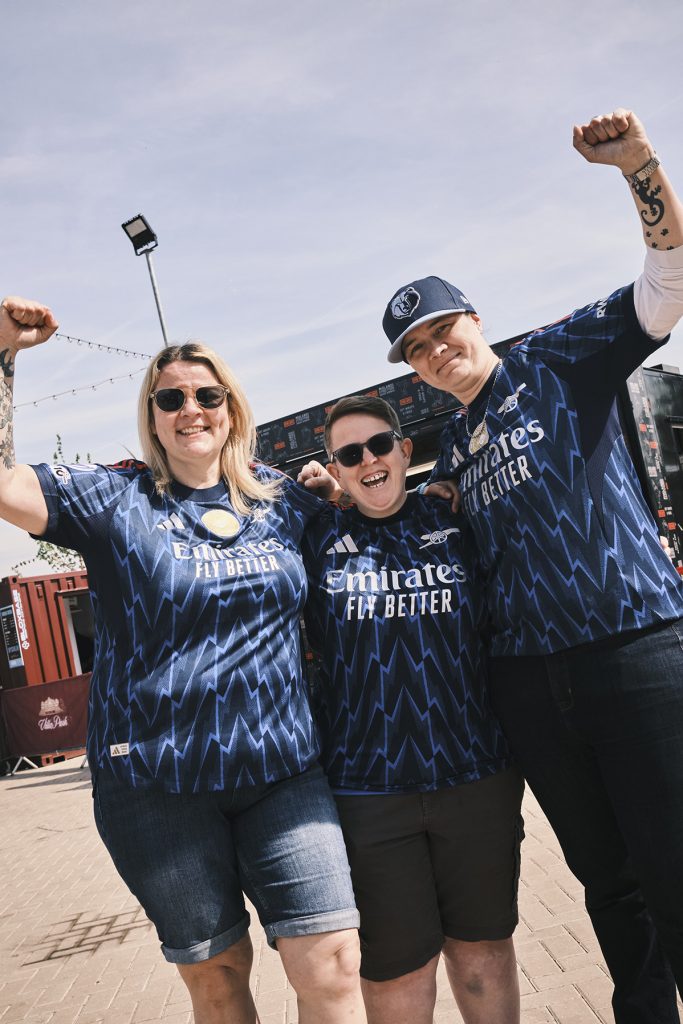
“The best thing about the Arsenal fan base is how welcoming everyone is,” another adds. “Just how it is like one big family.”
Or, as one supporter puts it: “We are absolute vibes. Win, lose or draw – it’s just the best time.”
Why more fans are joining
As women’s football grows, more fans are finding their way in – and staying.
“The Lionesses have been a big help,” one fan says.
“People are connecting to women’s football now that there’s a lot more visibility and it’s really accessible cost-wise and easier to get tickets,” another added.
And once they experience it, fans keep coming back.
“People are connecting with women’s football now because it’s being publicised,” another explains. “People see the quality and the inclusivity when they come to games – it’s an attractive product.
“It’s just a great atmosphere, great vibes and I love everyone that I hang out with!”
18+ | Please Drink Responsibly
The inaugural FIFA Women’s Champions Cup™ – the first tournament of its kind to bring together champion clubs from every continental confederation, has reached its closing stages. The competition will culminate on February 1 in London, as European champions Arsenal face South American champions SC Corinthians for the trophy at the Arsenal Stadium.
The Semi-Finals delivered drama and dominance in equal measure. Brazilian giants SC Corinthians secured a surprise 1–0 victory over NWSL title-holders Gotham FC, while Arsenal WFC produced a commanding 6–0 win against Morocco’s ASFAR Rabat to book their place in the final.
Based on those Semi-Final performances, She’s A Baller has selected a dream combined starting XI for the final – showcasing the standout talent from both SC Corinthians and Arsenal WFC ahead of a historic showdown.
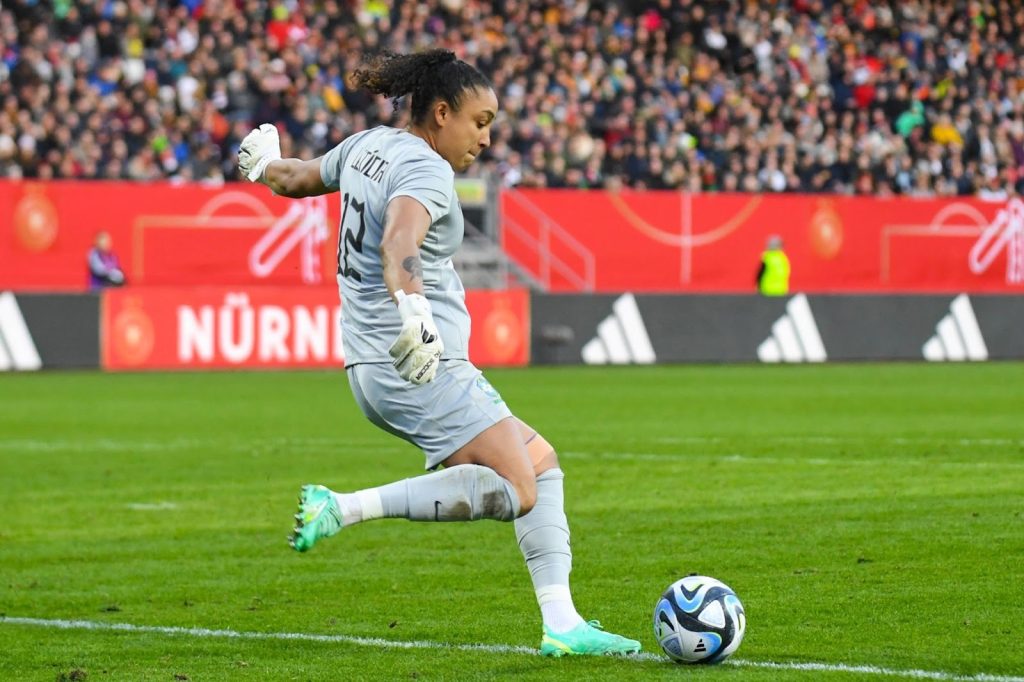
Goalkeeper – Letícia Izidoro Lima da Silva (SC Corinthians)
Often referred to as simply Lelê, the Brazilian shot-stopper is in her second spell for Corinthians after originally playing from 2016-2021 and rejoining in 2022. She pulled off a number of crucial saves to keep her side in the semi-final against the NWSL firm favourites and ensured Gotham’s goal scoring opportunities were kept to a minimum with her strong defensive line held in command. Her sharp eye for the ball along with plentiful experience will ensure that any opponent who aims to find the back of the net will embark on no easy feat.
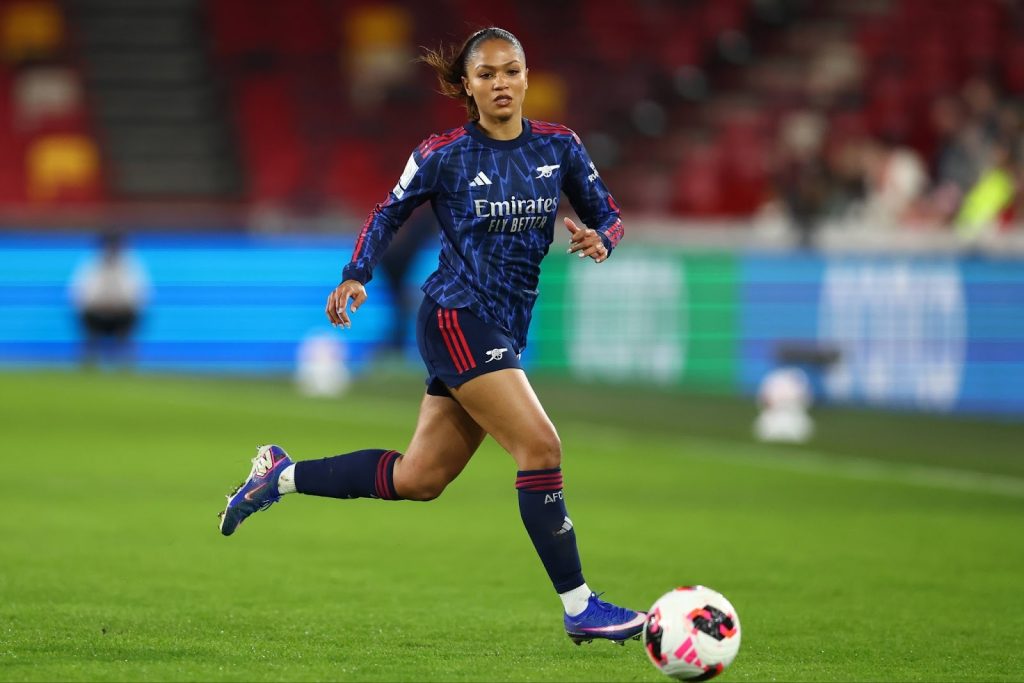
Right Back – Taylor Hinds (Arsenal WFC)
Hinds has slotted in perfectly to Arsenal WFC’s robust defensive set up, after making the switch from Liverpool in Summer 2025 where she played as vice-captain. Already closing in on 20 appearances just over halfway through her first season with the European champions, her flexibility in defensive positions makes her a strong candidate for any starting 11, including internationally for England where she recently received her first senior call up. Hinds came on in the 60th minute against ASFAR and worked hard to ensure the African champions continued to have minimal time in attacking positions.
Centre Back – Letícia Teles (SC Corinthians)
Despite not playing a competitive club fixture in 4 months, the CONMEBOL Libertadores Femenina winners held a fortress at the backline and refused to gift Gotham FC any real opportunity to score their highly anticipated – and almost expected- goals in Wednesday’s semi-final. Teles found herself in the coveted starting position at centre back due to squad injuries and excelled in the opportunity to show exactly why she deserves a regular starting spot, with an impressive level of intensity and focus throughout the 90 minutes.
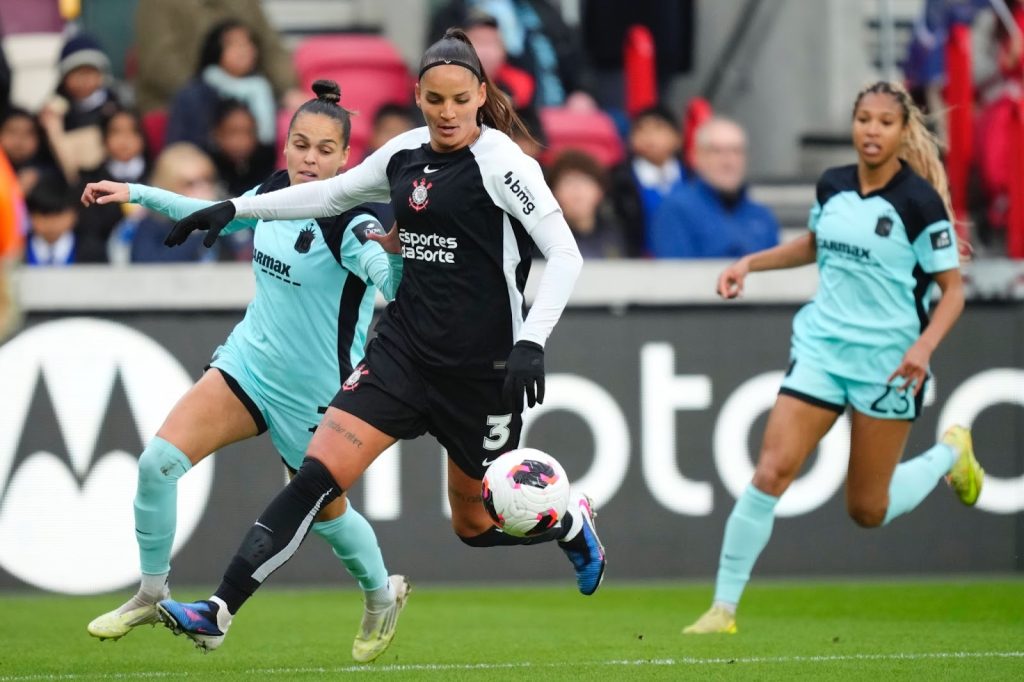
Centre Back– Thías Ferreira(SC Corinthians)
The second half of the dynamic centre back partnership came in the form of Thías Ferreira, who maintained an imposing back line display and executed the crucial responsibilities of defensive blocks and aerial dominance, particularly against the formidable Rose Lavelle. With the 29-year-old having played in her home country for most of her career, her sturdy presence on the pitch and technical prowess makes for a brick wall at the backline. Ferreira is a player that will be pushing for the chance to showcase her right to earn a starting callup when Brazil hosts the 2027 FIFA Women’s World Cup.
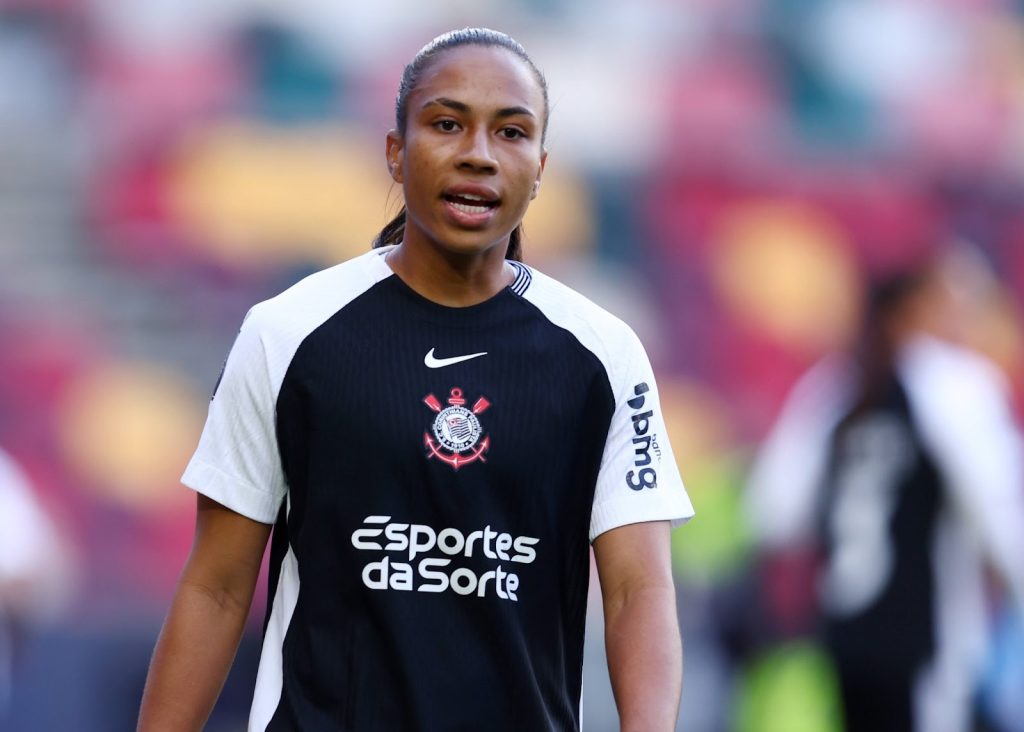
Left Back –Tamires Cássia Dias de Britto (SC Corinthians)
Having earned over 150 caps for club and similar figures for the country, the hardy Brazilian left back has been a vital part of SC Corinthians’ set up since 2019 and is a key figure in a starting lineup. Despite her predominantly defensive role on the pitch, Tamires has netted plenty of goals for her team and offered the all-important semi-final assist, proving herself to be a versatile left back who can attack high into the opposition’s box. After her team’s monumental win, she expressed “this was a long-standing dream… to prove once again how much we deserve to be a reference in this entire world”.
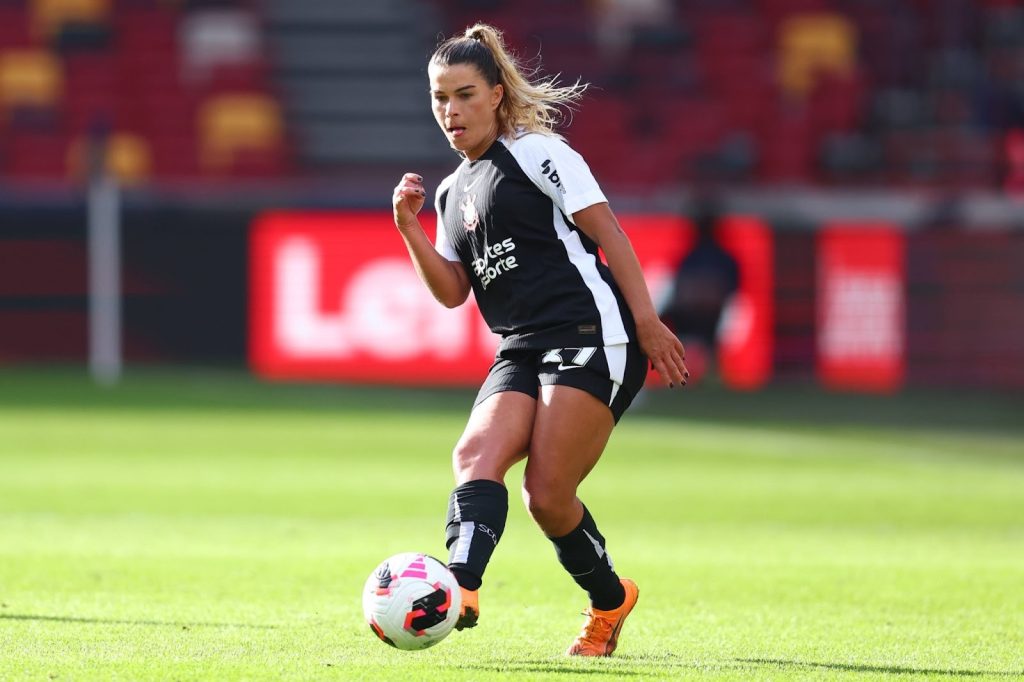
Midfield – Mariona Caldentey (Arsenal WFC)
The Spanish sensation is arguably one of Arsenal WFC’s brightest talents and is a much sought after addition to any midfield setup. With her consistent attacking expertise and composure in high pressure moments, Caldentey shows time again exactly why she was ranked 2nd in the 2025 Women’s Ballon d’Or. An exceptional first season at the London side after a decade in Barcelona saw her score 19 goals with 10 assists and was awarded WSL Player of the Season for 2024/25. It was no surprise to see her name on the semi-final scoresheet, as she calmly slotted home a first-half penalty to bring her side plenty of goal magic.
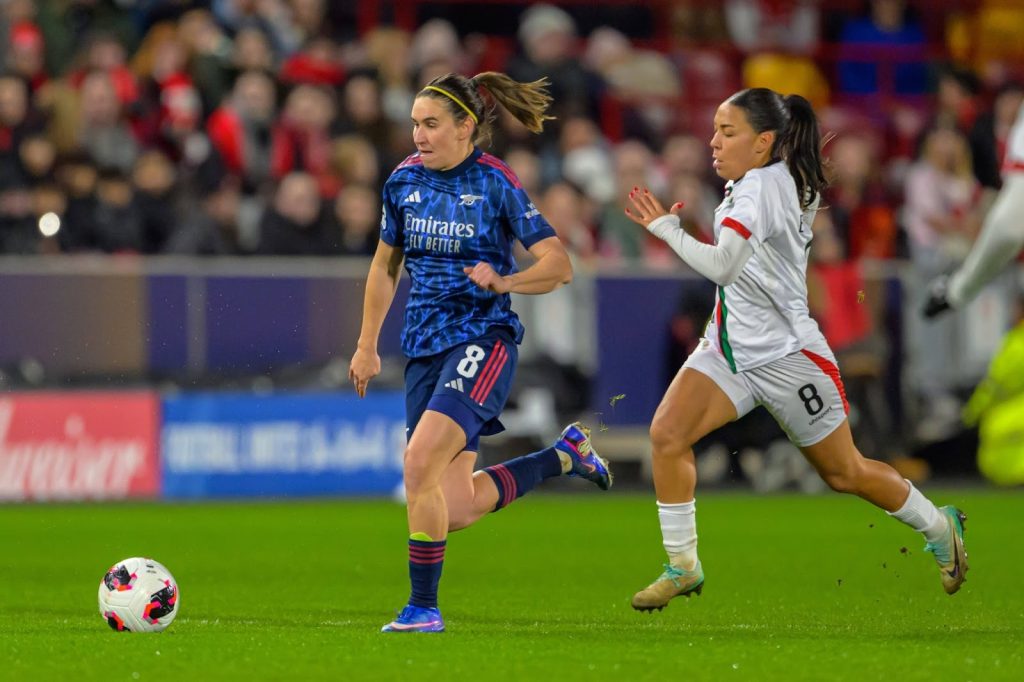
Midfield – Frida Maanum (Arsenal WFC)
A superb finish from Maanum in the 11th minute of Arsenal WFC’s semi-final seen them assert early dominance on the African champions which remained the storyline for the entirety of the fixture. Since joining Arsenal WFC, Maanum has become easily recognised for her ability to press deep on the opposition and score bangers, and she displays a level of commitment, drive and consistent product that makes her a crucial component within a starting lineup. The central attacking midfielder comes to life in the attacking third and her pace is sure to test even the most resilient of opposition players.
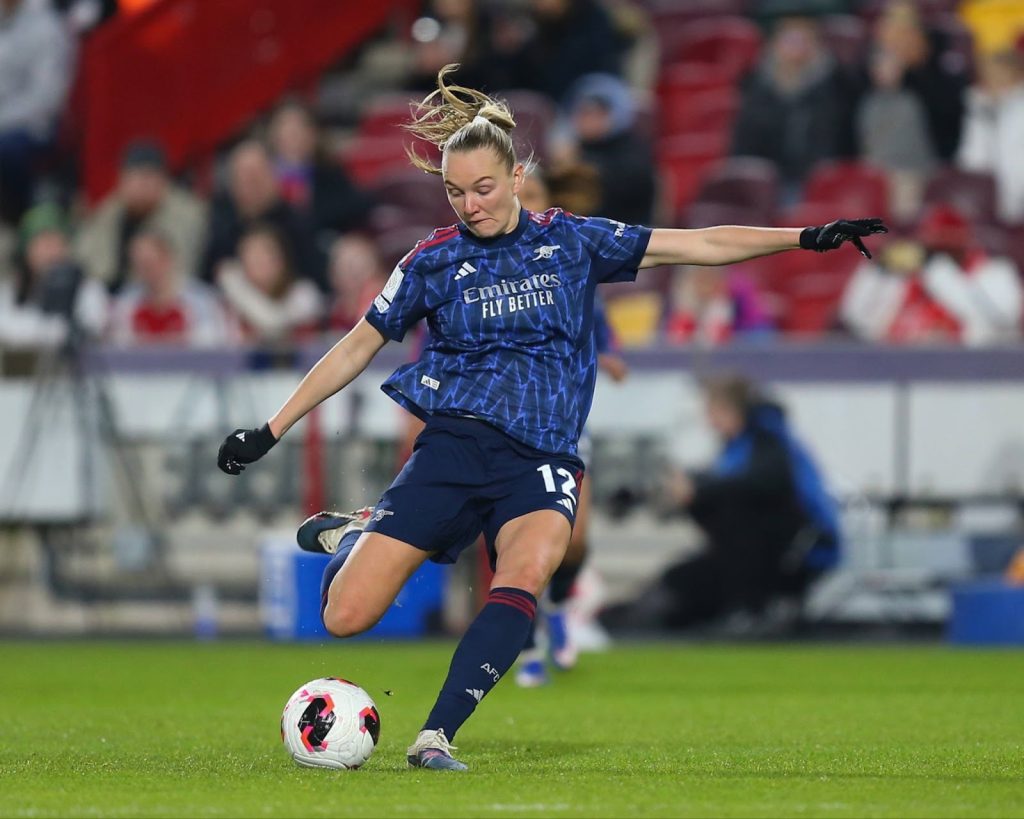
Midfield – Duda Sampaio (SC Corinthians)
Duda is a solid starter, bagging close to 80 appearances for her club since joining in 2023. Despite Gotham controlling possession for long periods of play, SC Corinthians’ heavy-duty midfield allowed them to obtain more clear-cut chances throughout the semi-final and eventually find the back of the net in the 83rd minute. The trademark flair of Brazilian football shines through Duda, and her style of play on the field allows her to create magic in her linkups with teammates in attack and can confidently grab a couple of goals herself.
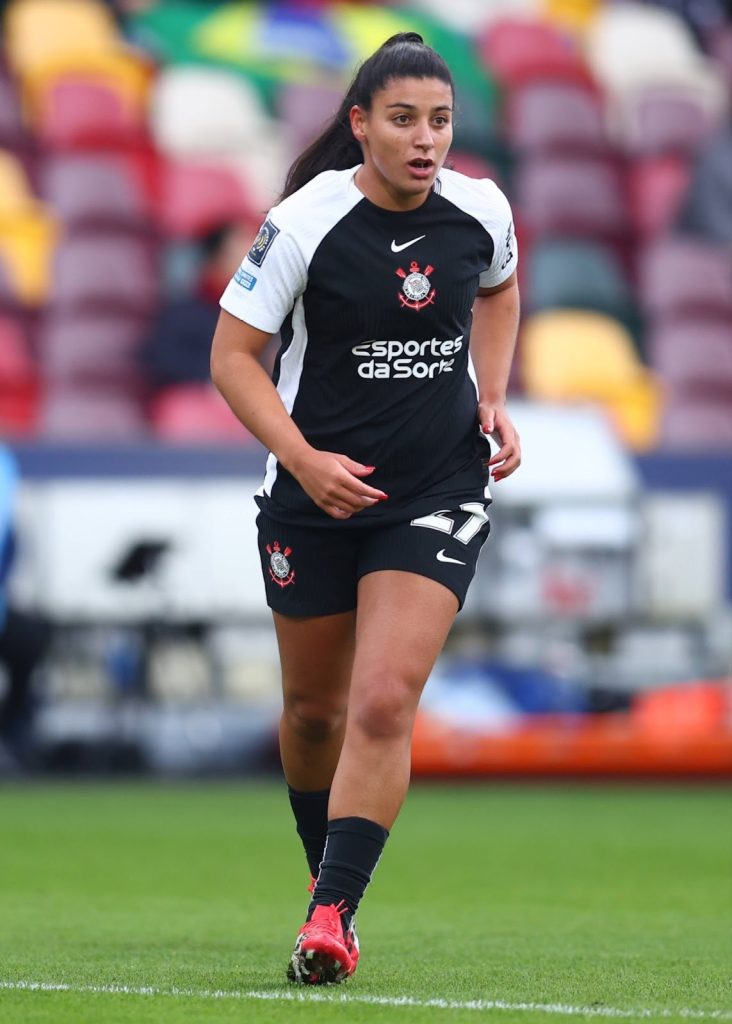
Forward – Stina Blackstenius (Arsenal WFC)
Arsenal have a host of big names fighting for the green light in starting lineups, one of which being the esteemed Swedish striker who frequently finds herself on the scoresheet. An intelligent and ruthless forward, Blackstenius is a vital leader in attack and has on many occasions gifted crucial goals for her club and country, perhaps most notably the single goal in the 2024/25 UEFA Champions League final that delivered Arsenal their glory. She opened the goal scoring tally in the opening minutes of their FIFA Women’s Champions Cup™ semi-final and will undoubtedly be hungry to find the back of the net again in the final.
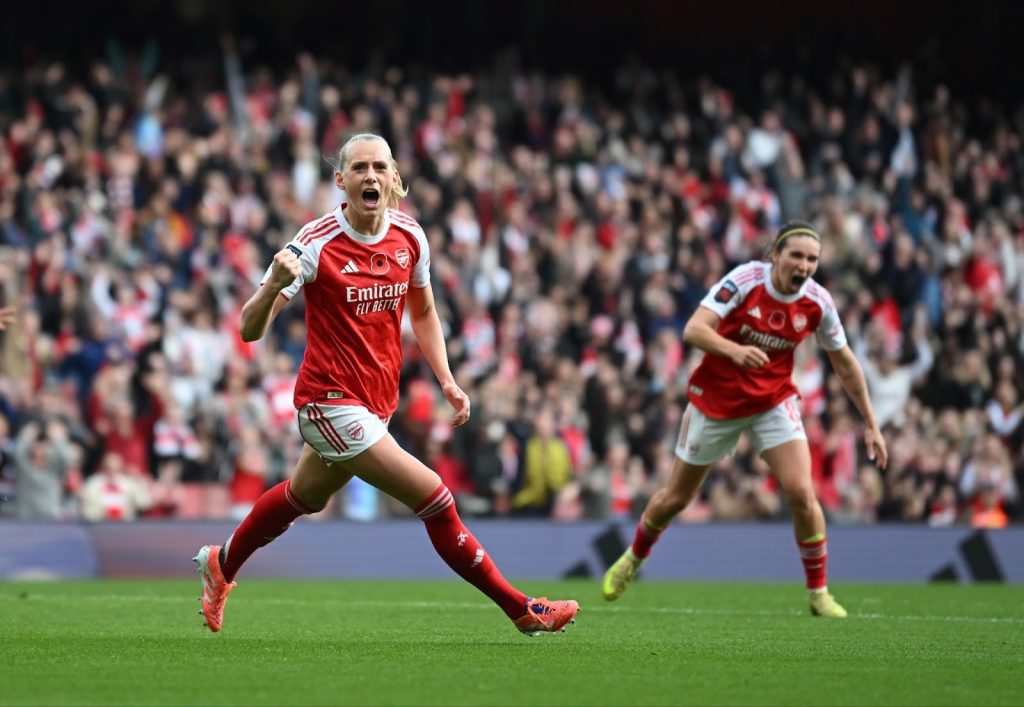
Forward – Alessia Russo (Arsenal WFC)
England’s number 9 has cemented herself as such an integral part of Arsenal WFC’s squad that it is hard to remember she has only been there since 2023. Last season she was joint winner of the WSL Golden Boot Award and enjoyed an abundant summer of football achieving both UEFA Women’s Champions League success with her club and back-to-back Euro titles with England, which seen her selected as 3rd place in the 2025 Ballon d’Or awards. Despite only coming on as a second half substitute in the semi-final, Russo found the back of the net twice, emphasising just how much of an instant impact she can make.
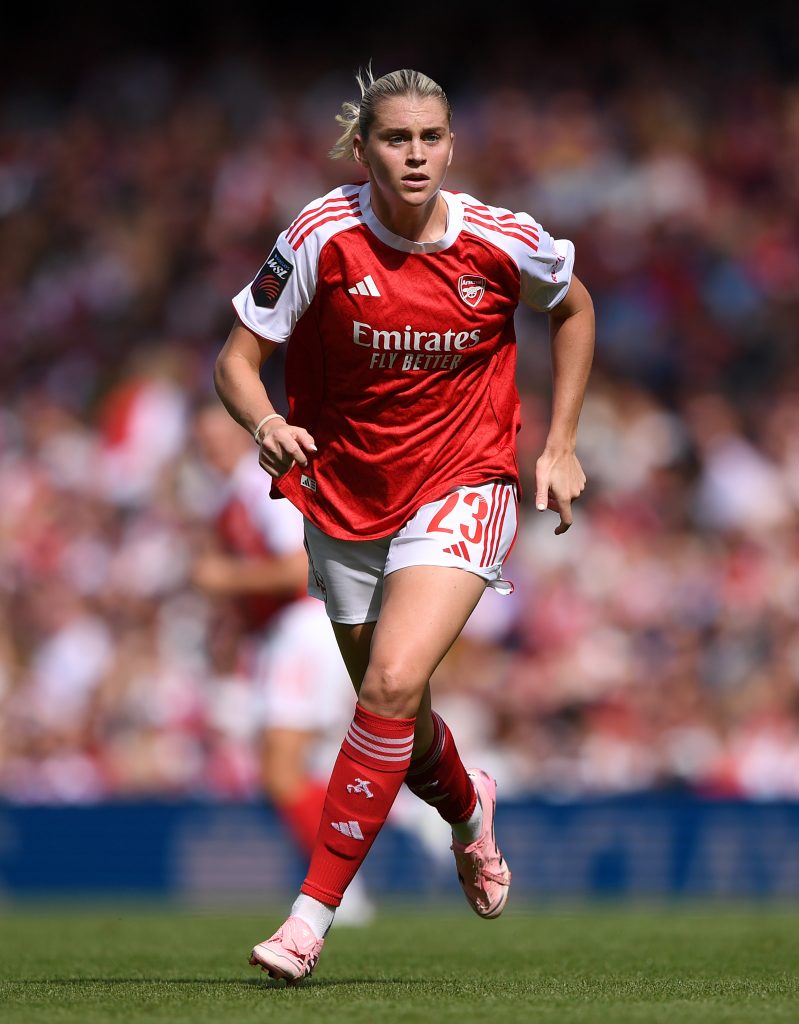
Forward – Gabi Zanotti (SC Corinthians)
Star girl for her beloved Corinthians, it was destined to be that captain Zanotti would be the single decisive factor that booked the South American side a surprise place in the inaugural FIFA Women’s Champions Cup™ final. The nearly 41-year-old rattled NWSL goalkeeping giant Ann-Katrin Berger by slotting home a beautifully placed low strike on goal in the 83rd minute, which would prove to be the only goal of the game. Having been at the club since 2018, the Brazilian maestro has been hailed a hero by fans and her semi-final performance is a wonderful reminder that age is simply a number, and success knows no bounds on the biggest of stages.
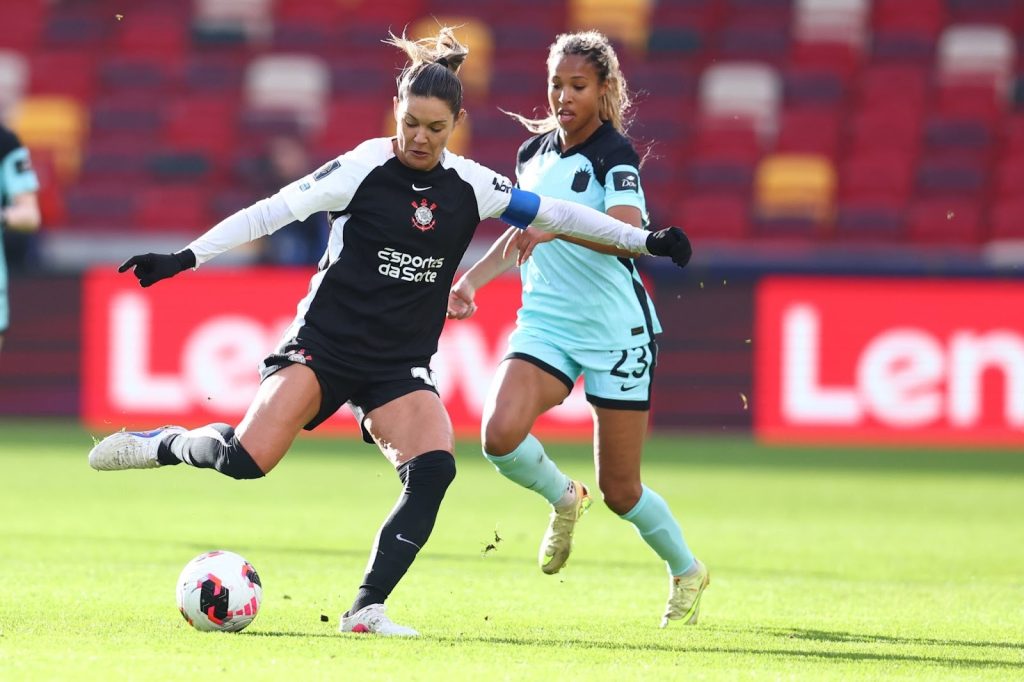
All roads now lead to the Final. On Sunday 1 February, Arsenal Stadium sets the stage for a historic finale as CONMEBOL Libertadores Femenina champions SC Corinthians go head-to-head with UEFA Women’s Champions League holders Arsenal Women FC. Kick-off is set for 6pm GMT (3pm BRT), with the first-ever FIFA Women’s Champions Cup™ title on the line following the third-place play-off earlier in the day.
🎟️ Tickets are still available HERE – don’t miss your chance to witness history at the FIFA Women’s Champions Cup™.
The first EVER FIFA Women’s Champions Cup™ signals a new era for women’s club football.
For the first time, champion clubs from every continent will compete on a truly global stage not in theory, but head-to-head to crown the world’s leading women’s club team.
For the players, it’s history in the making. For fans, it’s validation, pride and representation – all at once.
WHAT IS THE FIFA WOMEN’S CHAMPIONS CUP™?
First announced in 2025, the FIFA Women’s Champions Cup™ brings together champion clubs from all six continental confederations in a knockout tournament, consisting of two semi-finals, a third place play-off and the final, being held between 28th Jan and 1st Feb 2026.
More than a new trophy, it’s a long-awaited global platform bringing together clubs from Africa, South America, Oceania Asia and Europe.
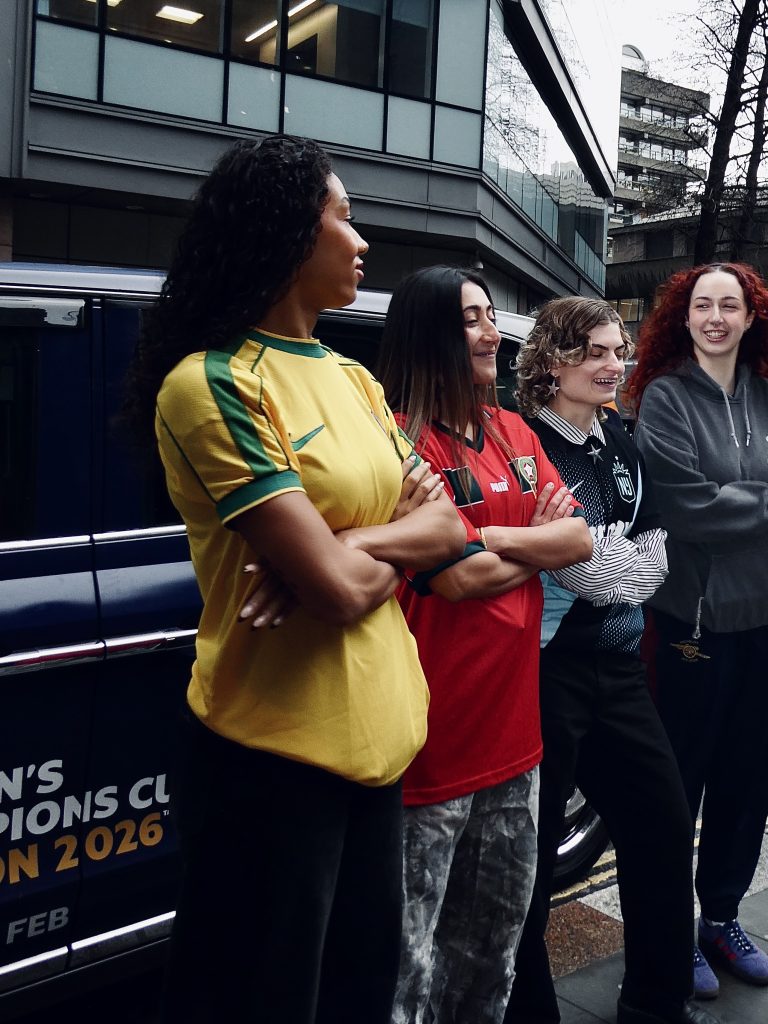
“THIS IS WHAT IT MEANS”
Ahead of the tournament, we took fans from Arsenal (UK), SC Corinthians (Brazil), ASFAR (Morocco) and NJ/NY Gotham FC (USA) around London in one of the FIFA Women’s Champions Cup™ Cabs, speaking to them about what it means to see their club on this stage and what they’d want the players to know before kick-off.
ELLA, ARSENAL FAN
“As this is the first time we’ve had this competition, it’s such an honour to be part of it, and I know the players feel that too. We’re incredibly proud of them. The club has come such a long way over the last few seasons, so to see them reach this point means a lot. If they could hear me right now, I’d say you’ve got this – keep pushing and let’s get to that Final and win!”
SARA, ASFAR FAN
“Seeing ASFAR go this far in the FIFA Women’s Champions Cup™ is incredible. The representation alone means so much, and the fact that the majority of the squad is Moroccan makes me incredibly proud. Big up all the girls at ASFAR – they have so much quality and greatness. There’s a reason so many of them have been voted among the best players in Africa, and I can’t wait for the rest of the world to see their talent too.”
KIRA, SC CORINTHIANS FAN
“I know they will make us proud. It’s incredible to see them competing on the international stage and representing the club. Seeing so many fans already in London, even waiting at the airport for the team – that’s what this club is about. Come on Corinthians!”
MIREILLE, GOTHAM FC FAN
“It’s really cool seeing Gotham in London, and I’m super excited to watch them on the global stage. It’s so exciting to see top clubs from different continents going up against us. If I could send a message to the players right now, I’d say good luck and make sure you make America proud.”
The action gets underway in West London on Wednesday, 28 January, with both Semi-Finals taking place at the Brentford Stadium in Brentford.
First up, Concacaf champions Gotham FC face CONMEBOL champions SC Corinthians at 12:30 GMT, before UEFA Women’s Champions League holders Arsenal Women FC take on CAF champions ASFAR at 18:00 GMT later that evening.
On Sunday, 1 February, the tournament reaches its climax at the Arsenal Stadium, where the first-ever FIFA Women’s Champions Cup™ winner will be crowned – following the third-place play-off and the final showdown.
🎟️ Tickets are on sale now – secure yours and be part of history at the FIFA Women’s Champions Cup™ HERE.
The Euro 2025 campaign starts today, with 16 countries battling it out in Switzerland to take home European title glory. Will trophy holders England pull off a consecutive title win, or will another team emerge victorious?
With many rising stars set to make a standout appearance this summer alongside experienced performers, we’ve selected our top eight players to keep an eye out for!
Claudia Pina – Spain
Barcelona’s number 9 was last season’s UEFA Women’s Champions League top goal scorer, and bagged a stunning brace against England to knock the current European champions out of the Nations League in early June.

She scored for her country on her senior debut in 2021 and seems to be addicted to scoring, but is yet to play at a major international tournament. The striker is known for creating an instant impact off the bench and is almost guaranteed to wreak havoc on any opposition defence as the Spanish side seek out their first European Championship crown.
Sandy Baltimore – France
Chelsea’s 2024/25 wonder signing has all the ingredients of a stellar player: pace, positional versatility and an eye for goal. She’s been rising through the ranks at national level and will be a key component of a French squad hoping to top a tough group, which includes England and the Netherlands.

Baltimore’s ability to read the game will no doubt allow her to create multiple goal-scoring opportunities and assist defensively too! She scored a brace to help seal Chelsea’s triumphant FA Cup Final win in May and will be focused on bagging as many goals as possible for a revamped Les Bleues this tournament.
Ewa Pajor – Poland
This is a historic summer for the Eastern European side as they make their first major tournament appearance. All eyes on their star centre-forward, who secured over 40 goals in what has been an astounding debut season for her at Barcelona.

Poland’s all-time leading goal scorer has a massive weight on her shoulders as she hopes to lead her side – as one of the tournament’s underdogs – to put on an impressive and resolute display on the international stage. Pajor is a fan favourite with her tenacious, silky flair and there’s no doubt that crowds of every nationality will get behind her!
Glodis Perla Viggosdottir – Iceland
Captain for both her club and country, the 30-year-old centre-back brings a wealth of experience to this Nordic nation as they prepare to bring an element of surprise to Group A. Confidence will be high, heading into this European Championship as Iceland are at their highest world ranking (13th ) and recorded a shock 3-0 win over Germany in last year’s Euro qualification.

Viggosdottir has over 120 caps for her country and was a nominee for the 2024 Ballon d’Or Féminin. With a stellar defensive name made for herself, she will be hoping to keep her country’s chances high.
Stina Blackstenius – Sweden
Blackstenius is a goalscoring machine. The Arsenal superstar bagged the winner against prolific title-holders Barcelona in the Champions League final in May. Closing in on 40 goals for her country, the centre-forward is a dominant presence on the pitch.

Blackstenius will be a key component of an experienced side who will be aiming to finally bring title success to their nation, after decades of consistently strong performances, but with little to show for it. Blackstenius recently bagged a hattrick against Denmark in the Nations League and will be looking to continue her goal-scoring success this tournament.
Aggie Beever-Jones – England
The young, rising star has had a standout club season with Chelsea and has begun to make a name for herself at national level, rightfully earning her seat on the plane to Switzerland this summer.

The 21-year-old striker – often dubbed as a ‘super sub’ – is someone who can patiently wait in the wings and step in to rise to the plate when goals are needed at crucial moments.
An important component of Chelsea’s treble winning 2024/25 campaign, ABJ also bagged a hattrick at Wembley against Portugal and with five goals in only eight senior caps, she could become a future household name for The Lionesses.
Klara Buhl – Germany
Widely considered one of the best, young wingers in Europe, she made her senior debut at just 15 and has made over 100 appearances for Bayern Munich since joining in 2020.

Buhl has an instinctive knack for goal-scoring opportunities and is an omnipresent threat in the final third, known to pepper the opposition’s defence relentlessly in pursuit of finding the back of the net.
The 24-year-old caught the eye of Spanish giants Barcelona but decided to extend her Bayern contract until 2027. A fan favourite both on and off the pitch, Buhl has garnered a reputation for crocheting cute mascots for her country.
Daphne Van Domselaar – Netherlands
Arsenal’s first-choice keeper will be tasked with making life extremely difficult for all Group D opponents. DVD brings experience not only in representing her country in the 2022 Euros and 2023 World Cup but also as the goalkeeper for the recent Champions League winners.

The precision-perfect shot-stopper rightfully earned a place in the UEFA Women’s Champions League Team of the Season, and whilst her nation are still figuring out a lineup to create a winning formula, Van Domselaar is a player who can show up in all the key moments.
The mid-week Miedema’s, the Weekend Willamson’s and the Kick-about Katoto’s, this one’s for you. The world’s No. 1 Irish Whiskey, Jameson, has once again teamed up with their old pals at Lover’s F.C. and the inclusive 5 and 7 a-side football community organisation, The Goalposts League, to design a selection of dream kits to celebrate what is sure to be a momentous summer of women’s football ahead.
The collection is inspired by the ‘what is’, ‘what was’ and ‘what could have been’, and although Jameson’s go-to national team of Ireland won’t be playing in any international tournaments this summer, it would have been rude to leave them out. Being proud of its Irish heritage, the first shirt in the new collection is a fusion of 2000s nostalgia featuring a Jameson green-based and orange perimeter template, with subtle Celtic designs throughout.

Next up is a homage to the German Women’s Euros winning team of 2005, who wore one of, if not the first, specifically designed female-fitting football shirts. This slick black long-sleeve design is inspired by that cup-winning team, injected with some LOVERS FC flavour. Rounding out the collection is a nod to the England teams that nearly did, the golden generations that made us dream, featuring a classic floral rose watermark imbued on a white backdrop with the iconic St George’s Cross on each shoulder.
For the shoot, the gang packed some sunscreen, a beach towel and an umbrella (you never know) and hit the open road to Blackpool – famously the home of the great British seaside holiday and one of the host cities for the Women’s Euros in 2005. In tow was the founder of the Goalposts League, Shameek Farrell, Stylist and Romance FC player Bianca Zehra and Jazmyn Maher, star player for Sonder FC. Fish and chips, the arcade, melting ice cream, seagulls and a kick about on the beach are all celebrated through the lens of revered football photographer Meg Jepson.

‘It’s been amazing to be a part of the Goalposts League. It’s given me a real sense of belonging and community…It’s not always easy to find space in football that isn’t dominated by men. It’s made me feel like I have a place in the sport, supported and surrounded by a community of like-minded people who celebrate and uphold each other. I was delighted to be asked to feature in this collaboration with Jameson and Lovers FC, to celebrate what should be another momentous summer of women’s football!’ – Jazmyn Tyne – Sonder FC
“Jameson has fully embedded itself within the world of football, from its long-standing partnership with the English Football League, to its past campaigns supporting grassroots women’s football with both The Goalposts League and Lovers F.C. Everything we do is reflective of what the sport ultimately represents, community. It was a pleasure to collaborate once again and shine a light on the talent within female sport.” – Julia Massies, Managing Director for Pernod Ricard UK

This summer, celebrate the beating heart of tournament football, not just the wins, but the dreams, the near misses, the last-minute equalisers and the heartbreaking losses! The collection will be available for sale from Jameson’s exclusive merch website here from today!
We’re super excited to announce that we’ve been shortlisted in the prestigious International Sports Convention Awards in the Fan Engagement category.
The awards recognise those that have made a significant contribution to women’s football through their coverage, initiatives, and community-building efforts.
Congratulations to all the nominees on making the finalist list!
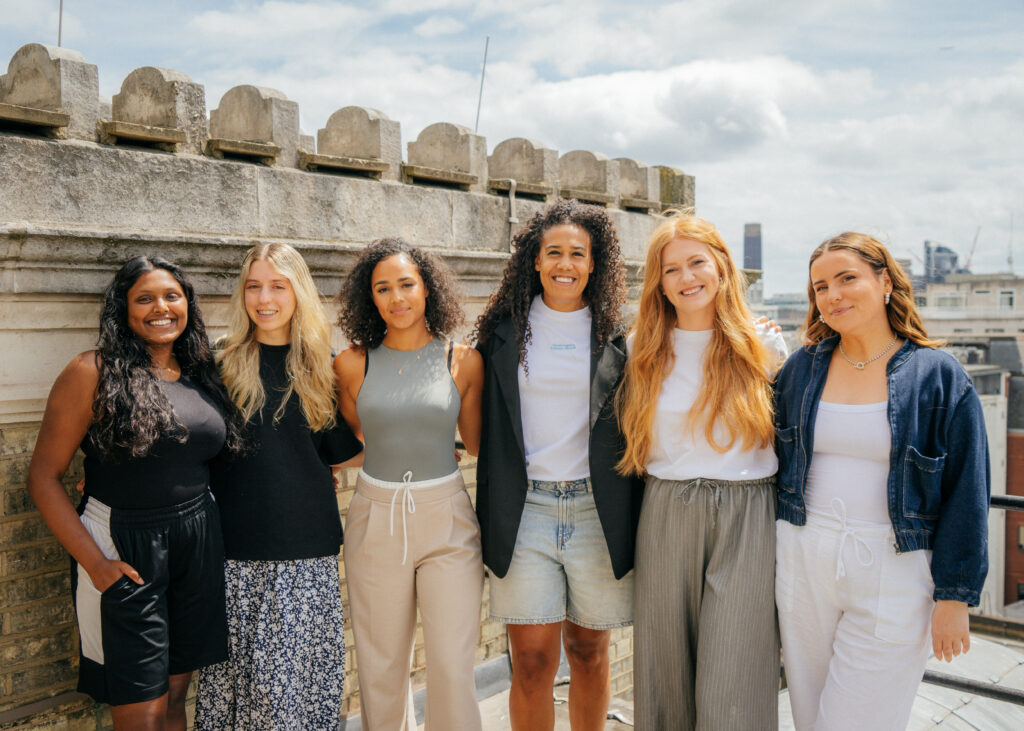
We’ve been working hard at She’s A Baller over the past four months and have:
- Launched a brand new website housing free women’s football articles and job postings
- Re-branded – introducing new templates and fan-led content series including Fandom.Is.Everyone
- Launched a new LinkedIn page showcasing the results of our data insights work
- Launched a new Linktree allowing fans to more easily access our content
- Launched a new YouTube channel housing our long-form content
- Worked alongside adidas and Set Piece Social to host a first EVER WSL watch-along event
- Worked with EA Sports to deliver their WSL Ratings Reveal campaign
We’ve got lots of exciting plans still lined up…
We want to thank our incredible community, followers and audience for their beautiful support!
We launched a new series last month capturing the beautiful and very real essence of women’s football fandom.
It’s nights at the Bridge, Basil and blue flames. It’s a stellar start to the season and the French Revolution in full swing.
It’s all the cultures, languages and identities in one space. It’s young and experienced. It’s community, safety and acceptance.
It’s family, friends and solo-adventurists. It’s new and old friends.
It’s heartbreak and heart-felt joy. It’s stadium games and new chants. It’s long journeys and local clubs. It’s banners and cardboard signs.
It’s fierce rivalry and supporting both. It’s advocacy, campaigns and finally celebrating the winds of change.
It’s football fandom. It’s you.
Check out our beautiful collection below.


Money remains inextricably linked to conversations around the growth of women’s football and wages are no different.
Chelsea defender Lucy Bronze recently sparked discussion during an interview with Sky News after she was asked whether female footballers can afford to retire after their football career.
“The one percent probably can. If you’re smart with your money and live a certain kind of lifestyle, then there’s potential,” the 33-year-old right-back responded.

“Probably 99.9% of women’s players… you have to think about life after football.”
The statement itself is far from controversial, or even surprising. While women’s football has grown exponentially in recent years, that does not mean wages have reached the exorbitant sums we see at the top of men’s football.
Yet, Sky News’ X post promoting the story has accumulated 8.5 million views largely owing to a swell of mock outrage on the platform. Some of the comments said:
“Get a second job then. Female soccer is subsidised by the male league. Makes zero money and never will.”
“People in lower english leagues prob cant retire too, but they play at higher level than her so? Whats the problem?”
While Bronze was just providing an answer to a question she had been posed, the usual misogyny swarmed to the headline with a determination to misconstrue the comments to their own agenda.
It is an all-too-common reminder that women’s sport continues to face a barrage of people that only want to diminish the progress and support that threatens their patriarchal hold over sport.
But, away from the negative attention the quotes have received, they point to a very real issue that has bubbled away in women’s football for decades. That is, the disparity of wages across the tiers.
Bronze indicates that “the one percent” in women’s football earn enough to live off their wages for the rest of their lives. But what about the other 99%?
Of course, the ability to live off wages earned during a short career should not be used as the barometer for success for the rest of the pyramid, or even that one percent, but it does speak to an inequality within the game that is not currently being given enough attention.
It was reported during the summer that Women’s Championship club Blackburn Rovers would pay each player a salary of £9,000 for a 16-hour a week contract, in line with minimum wage. Elsewhere, much of tier three remains semi-professional.
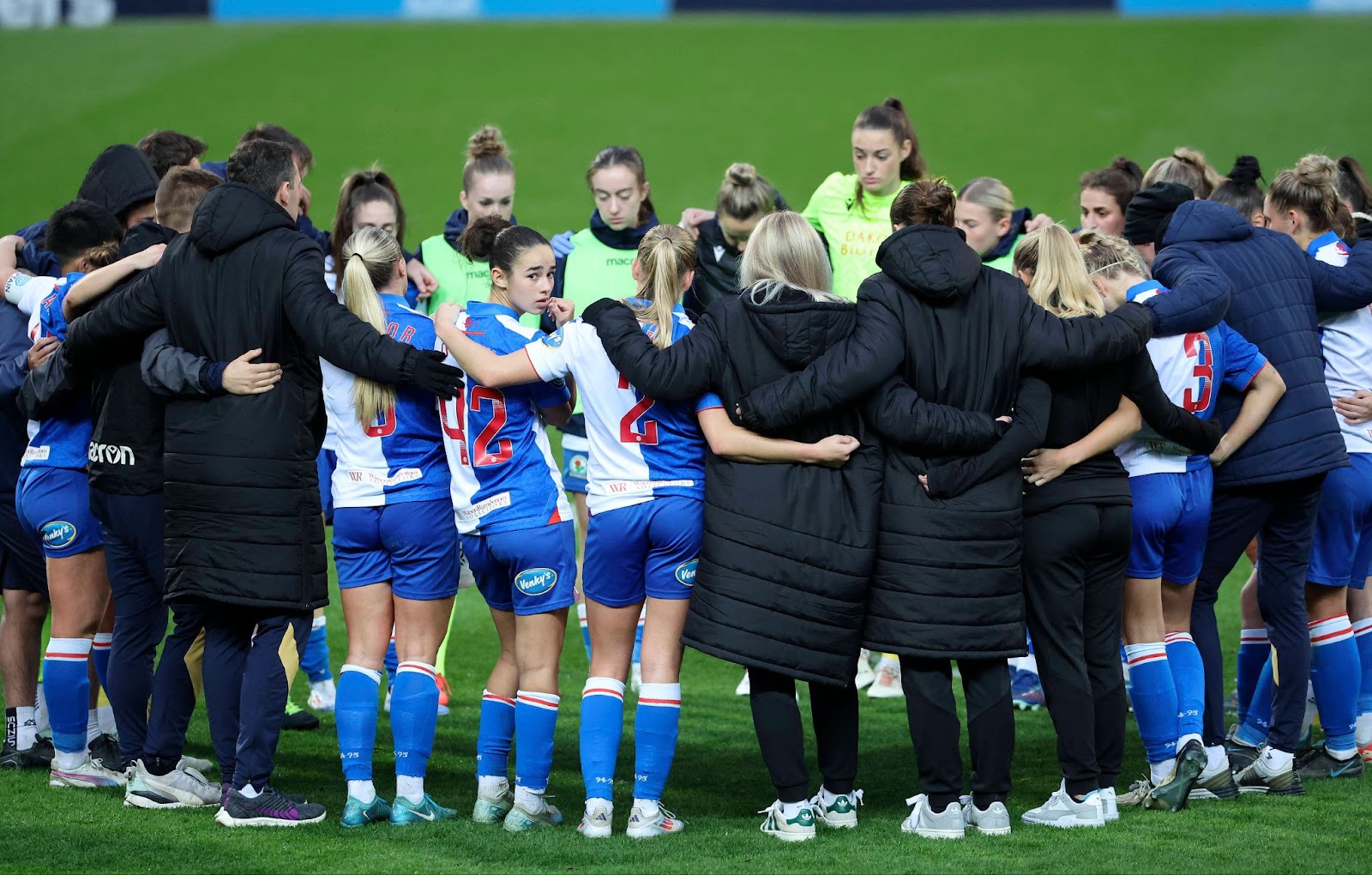
Meanwhile, at the very top of the game, sponsorship deals and wage packages are increasing. In doing so, it widens the gap between the top performing clubs and papers the cracks of a financial structure lower down the tiers that is still struggling to establish itself.
The one percent that Bronze refers to is likely only to be found at approximately three clubs in England – Chelsea, Manchester City and Arsenal.
With the wages of some of the players in these clubs bolstered by international wages and possibly personal deals with brands e.g. Alessia Russo’s partnership with sunglass brand Oakley or Lucy Bronze’s partnership with clothing brand Aligne.
All of the above receive backing from some of the richest Premier League teams and those sides have claimed nine of the 11 WSL titles won since its foundation.
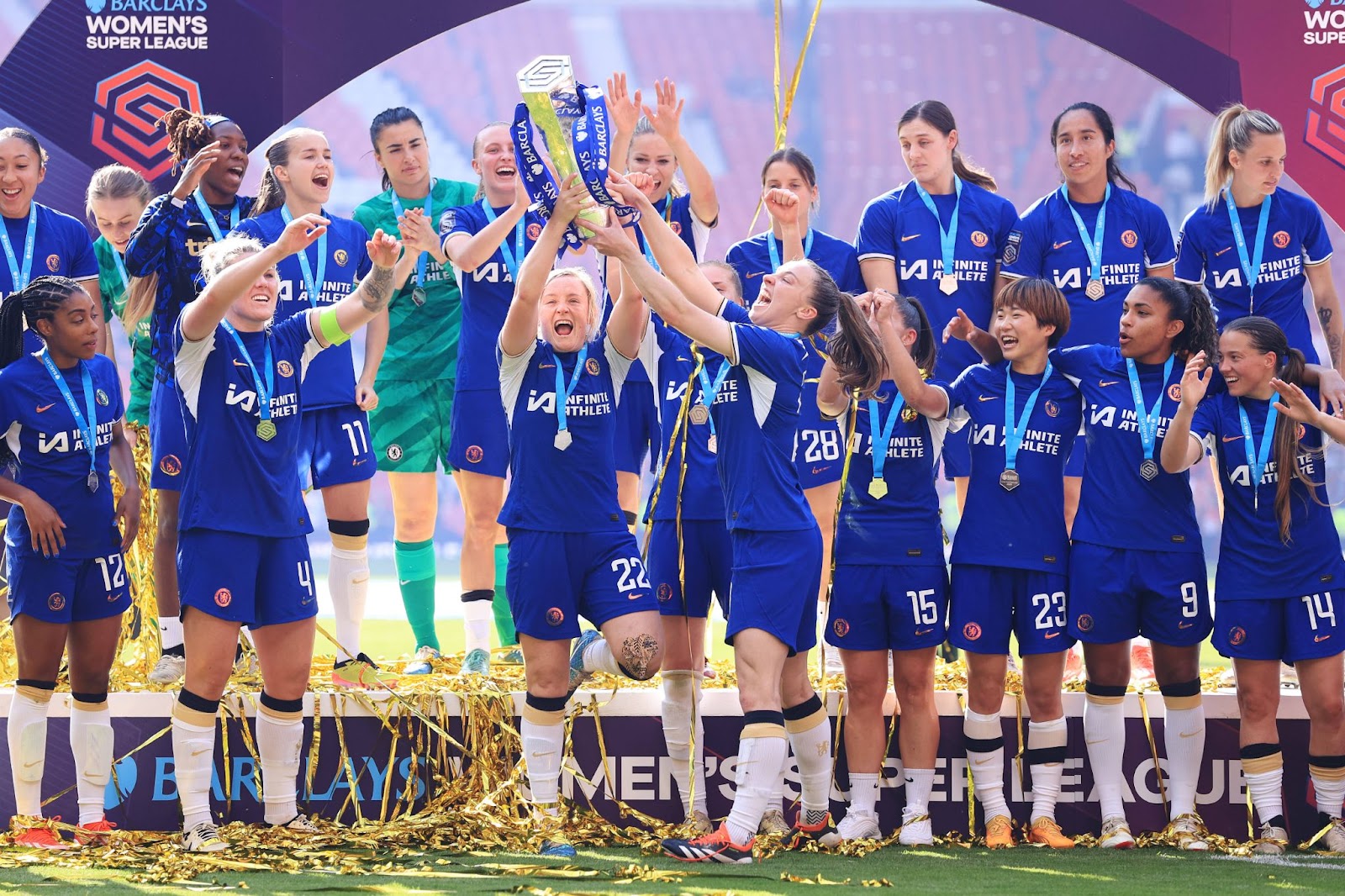
Those sides that can afford to pay and attract the ‘top one percent’ will continue to monopolise success as they can attract the best players, while other clubs in the league or further down the pyramid will struggle to compete both on the pitch, and financially.
While the recent takeover of the WSL and Championship by the Women’s Professional Leagues Limited (WPLL) signals the potential for further disparity between the top two leagues and the National League, it is also a juncture that could determine a better direction for women’s football.
It allows us to ask the question: what do we want to see going forward?
It might be reasonable to expect internationals at the top of their game to earn obscene amounts, after all it would be hard to find a profession where those at the top level don’t earn vast sums.
Most footballers also don’t have the luxury of playing past their mid-thirties and so perhaps wages should be commensurate with such a reality.
Yet it shouldn’t be reasonable to view the figures wielded in men’s football as aspirational nor a sign of success. Women’s football can take its own path that does not group a one percent of top earners versus ‘the rest’.
Growth inevitably is linked to more investment and that should be celebrated, but women’s football must push now rather than later for investment that is spread across the tiers.
If not just to improve competition in the game and raise the potential of a new winner, then to ensure teams like Blackburn have firmer foundations so their players get the pay they deserve.
We launched a new series last month capturing the beautiful and very real essence of women’s football fandom.
It’s red and blue scarves and beanies. It’s the Eagles and a history-making WSL debut season.
It’s all the cultures, languages and identities in one space. It’s young and experienced. It’s community, safety and acceptance.
It’s family, friends and solo-adventurists. It’s new and old friends.
It’s heartbreak and heart-felt joy. It’s stadium games and new chants. It’s long journeys and local clubs. It’s banners and cardboard signs.
It’s fierce rivalry and supporting both. It’s advocacy, campaigns and finally celebrating the winds of change.
It’s football fandom. It’s you.
Check out our beautiful collection below.


The WSL is back and the FA Cup is underway too this weekend!
Here’s some of our favourite moments, so you can stay to up to date with the action!
Thornaby FC: From Axe to achievement
Thornaby FC, a club which announced in June that it had voted to drop its female teams following a “difficult year” reached the first round of the FA Cup for the first time.
Thankfully the decision was reversed following uproar on social media, with a new board voted in to ensure better decision making at the top.

Just five months later, the women’s team took on Liverpool Feds, who are three divisions above. They lost the game 7-2 but what a huge achievement for a club on the brink of collapse over summer.
Manchester United milestones
It was a big weekend for Manchester United, facing Arsenal after the international break. United, who managed to keep their unbeaten run this season, finished the game 1-1 after a last-minute goal from Melvine Malard cancelled out Alessia Russo’s 63rd minute strike.
But it was a historic game for two other reasons. United manager Marc Skinner celebrated his 100th game in charge of the Red Devils and records a 62.6% win percentage.

Going 50 better, Millie Turner celebrated her 150th appearance for the club and picked up a Barclays Player of the Match award to top off the day!

Leah faces a tough part of her history
Arsenal’s Leah Williamson returned to Manchester United’s home ground, Leigh Sports Village for the first time since tearing her ACL there last season.
No doubt mixed emotions for Williamson who started the game yesterday. It was a beautiful moment to see her come full circle and appreciate how far she’s come since that fateful news just before the Women’s World Cup.

Khiara Keating’s first WSL start
There have been some big questions over the goalkeeper situation at Manchester City this season with new signing, Japan international Ayaka Yamashita being Gareth Taylor’s first choice keeper for all of the WSL fixtures so far.
Despite Yamashita’s impressive credentials, it’s had a lot of us wondering why Taylor had chosen to change things up when Khiara had secured the WSL Golden Glove and obtained her first England call-up last season.

But, Keating finally got her first league start of the season AND kept a clean sheet too!
Bompastor’s reign continues
Chelsea boss Sonia Bompastor joined an elite team of managers last night as her side defeated Everton 5-0. The win, which is the 5th win on the bounce, means Bompastor joins one of only three managers to win five games at the start of the season in a row.
Only former Arsenal manager Jonas Eidevall and former Birmingham City manager David Parker share this accolade.
There were a few concerns when Emma Hayes’ era came to an end but Bompastor has put all those concerns to bed.