
Interviews
Changing the Game: Abi Paine and Isabelle Papandronicou Champion a New Future for Women’s Disability Sport

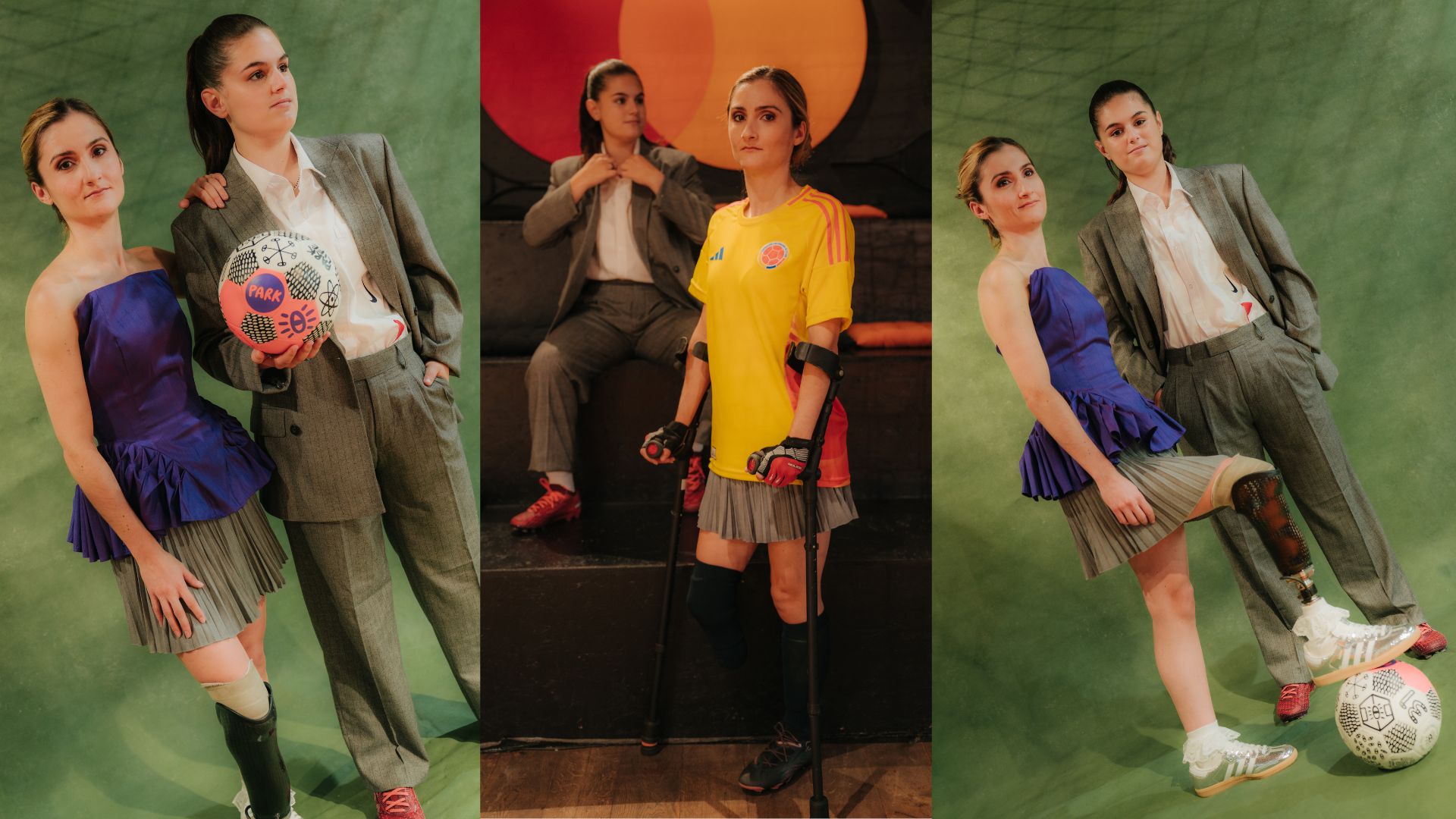
We sat down with Abby Paine and Isabelle Papandronicou at Style of Our Own powered by Mastercard, to hear how they’re breaking boundaries in football, championing inclusion, and inspiring a new generation of women in sport.
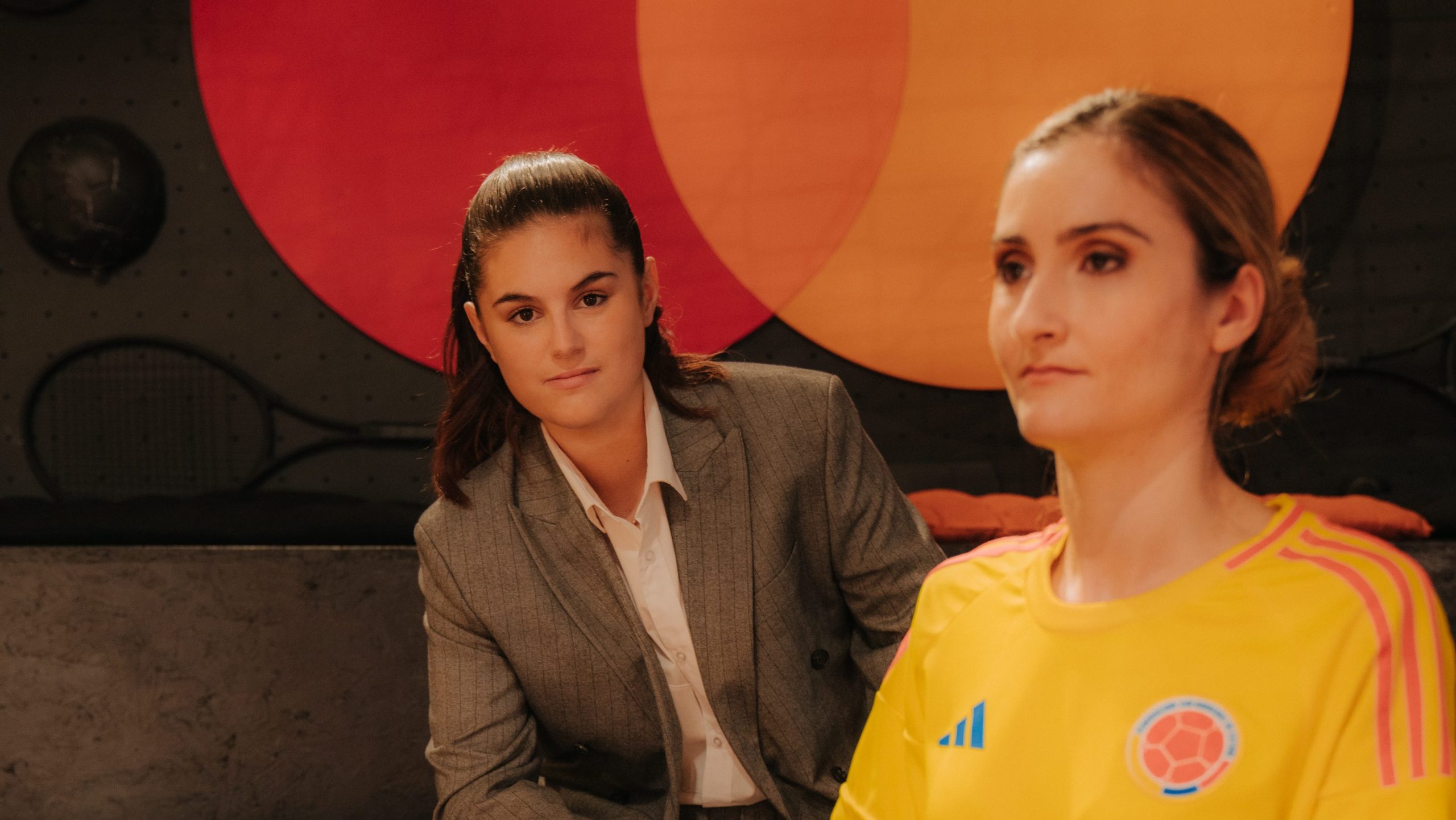
Hey Abi, can you tell us a bit about yourself?
I’m Abi, the founder of the Paine Foundation. I’m 18, and currently study physiotherapy at university. I love football, I’ve loved football for ages.
How did you get into sport and football? Could you talk us through your journey a little bit?
I’ve always taken part in sports. Since I was four, I have been playing tennis. After tennis, I played netball, and after netball, I started playing football. I also do rental karting on the side. So, it’s fair to say I’ve always been involved in sport.
With football specifically, it was when the Lionesses won the Euros for the first time – that was when I thought ‘could I find a team to play for’. From there, it’s all kind of taken off. I love it more than anything.
What motivated you to set up the Paine Foundation?
I have Spina Bifida, which I’ve had from birth, where my spinal cord was essentially on the outside of my body when I was born, meaning my parents were told I was quite likely not to walk.
The Paine Foundation really exists for the in-between of disability and mainstream football, where I sit, because there’s not much provision for women and girls to play with other women and girls. There’s provision to play mixed-gender football, but not for women and girls to fit in and compete at a high level. That’s what the Paine Foundation is for.
What are the aims of the foundation?
My aim for the foundation is to build enough teams at the moment along the south coast, but hopefully, in the long run, nationally, and maybe in the long, long run, internationally, to allow for national and international competition.
That way, we can excel in football and in sport while representing ourselves and our disabilities, and not feel as though we have to fit in somewhere that we don’t necessarily belong.
Could you share a moment in your journey that’s made you feel especially proud?
The shoot today has been incredible, but the biggest thing I’ve done in disability football was being the captain of the Brighton & Hove Albion football team a couple of years ago. We won the Premier League Disability Festival outright.
We played against Arsenal, a couple of Crystal Palace teams, and I think Bournemouth Football Club were there as well. So, it was a lot of the southern Premier League and Championship teams. That was one of the best days of my life.
What advice do you have for young people with disabilities, specifically for those who feel hesitant to start playing football?
Don’t feel like you have to fit in. Just because we’re different doesn’t mean we’re less able, it just means we have different abilities. I love playing disability football, so if that’s something young people want to do, they should go for it. If they don’t, that’s okay too.
Just do the best with what you’ve been given, and with your situation, and be okay with being uncomfortable because that’s the most important thing. Especially in sport, you’re uncomfortable a lot of the time.
What are your first memories of sport?
My earliest memories are from playing tennis. I don’t remember much, but I spent a lot of time on the court.
How did you get into that, did your family play?
They didn’t, but from what I remember and not to sound arrogant, apparently, I was quite good for my age. Unfortunately, that had to come to an end because of my disability, but it was the first time I truly felt like I belonged.
Even now, if I go back to playing tennis, I still feel comfortable, which is crazy, because it’s been over ten years. I’ve also got some incredible memories from netball. We won leagues and cups, and I loved it so much. But again, because of my disability, I’m not able to do that anymore.
What I want to do now, especially with football and the current growth of women’s football, is to make it as big as possible for those in-between players, and also for the disability side of women’s football, because there isn’t much provision for it.
When it comes to disability football, what do you think is the biggest obstacle to developing it further?
Personally, I think it’s the fact that it’s mixed-gender. That shouldn’t necessarily be an issue and it isn’t, up to a point but in the adult sector, that’s where it becomes difficult.
In youth age groups, the brackets are quite broad, so it’s manageable. But once you reach adult level, we can’t compete with our male counterparts because we’re biologically different. The game is different. I’ve always said I play more tactically, while the guys I played with relied more on speed and strength. It became difficult especially mentally knowing I had a higher chance of getting injured. I was worried every week that I’d get hurt.
That’s the biggest obstacle – not that mixed-gender football is a problem, but safety and comfort become issues.
If we could play with other women, that would be brilliant. It’s about the environment too. We want to play with people who can relate to us. My male teammates at Brighton were great, but they couldn’t really relate to my personal experience.
Who or what inspires you most?
Everyone inspires me, because everyone’s their own person. We all have our own struggles, our own abilities, and our own paths in life. I think seeing people passionate about what they do and how they adapt – that’s what inspires me most.
Now to Isabelle, tell us abit about yourself too?
My name is Isabelle Papandronicou. I’m 28 years old, and I’m an amputee footballer for Portsmouth Football Club and England. In my day-to-day life, I’m also a PhD student in microbiology.
How did you get into sport? Talk us through your journey.
I’ve always been very sporty since I was a kid, and I’ve always loved football. Any time in primary school that I got the chance to play, I did, I loved playing at lunch breaks and joining in extra training sessions. I just loved it. I was born with a rare condition called congenital pseudarthrosis of the tibia, which is essentially where the tibia bone would fracture and break repeatedly. I had about 20 to 30 surgeries to try and fix it, but unfortunately, they weren’t successful. When I was 14, I had my leg amputated.
From then onwards, I didn’t really have the opportunity to play football. It was hard enough being a girl at secondary school trying to play football, let alone having a disability as well.
Then, about a year ago, I saw one of my good friends, Rebecca, playing amputee football, and I thought, I didn’t even know this sport existed – what is this? I’d always wanted to get into football. The rest is history, really – I joined last July, and three months later, I was playing in a World Cup.
That’s an incredible story. Please could you share a moment in your sporting journey that’s made you feel especially proud?
I’d say it would have to be scoring the first ever championship-level goal in women’s amputee football at the World Cup, for sure.
What changes would you like to see in mainstream media coverage of disability sport?
With all sports, especially women’s sport, I’d love to see more coverage in general. The media needs to get behind it, because ultimately, although it’s slightly different, it’s still football. The more people who get behind it, the more opportunities there will be for people like me. If I’d had the opportunity to start when I was 14, and not 27, I would have grown even more as a footballer and would have had so many more opportunities.
In your experience, what’s the most common obstacle for disabled people when getting involved in sport?
There are multiple, I’d say. Obviously, funding is a big one, because without funding, we can’t play. Another is inclusivity. Within disability football, there are so many different disabilities, and they all require different accommodations in order to play. Supporting a wide range of disabled people to play can be quite difficult.
How has being involved in sport influenced your self-identity and how others perceive you?
It’s a really big part of who I am. Like I said, I was always sporty when I was growing up. Sport gives you such an important outlet, both for your mental and physical health.
It allows you to achieve things you didn’t think you could achieve, especially when other parts of your life might not be going to plan or are quite difficult.I’d also say the best part about it is the community, being surrounded by loads of other women who face similar challenges to you, but on the football field, you’re all the same.
You also mentioned that you have a career in science. Could you tell us a little bit about that?
I’m studying for a PhD in microbiology. My project focuses on developing alternatives to antibiotic treatments, because we’re seeing increasing antibiotic resistance, which is becoming a major problem.
I actually found that really interesting because of my own journey with disability. During my surgeries, I struggled a lot with antibiotic-resistant infections, and that inspired me to want to help find solutions to that problem in some way.
With your studies, your science, and your football, how do you balance everything: your personal life, competitions, and travel?
It’s hard! I like going on holiday. I find that’s a really good way to properly switch off. If I take time off at home, I just end up doing chores or work.
Spending time with my boyfriend, my family, and my friends, and socialising as much as I can – that’s really important for me.Who or what inspires you to keep pushing in sport?
I’d have to say the other girls from my England team. Every single one of them is inspirational in their own way. They’ve all had different journeys in how they lost their limbs, and they all keep achieving amazing things. Because I’ve had a similar but slightly different journey, I can really relate to that and I find it incredibly motivating.
Brought to you by She’s A Baller in partnership with Mastercard.